

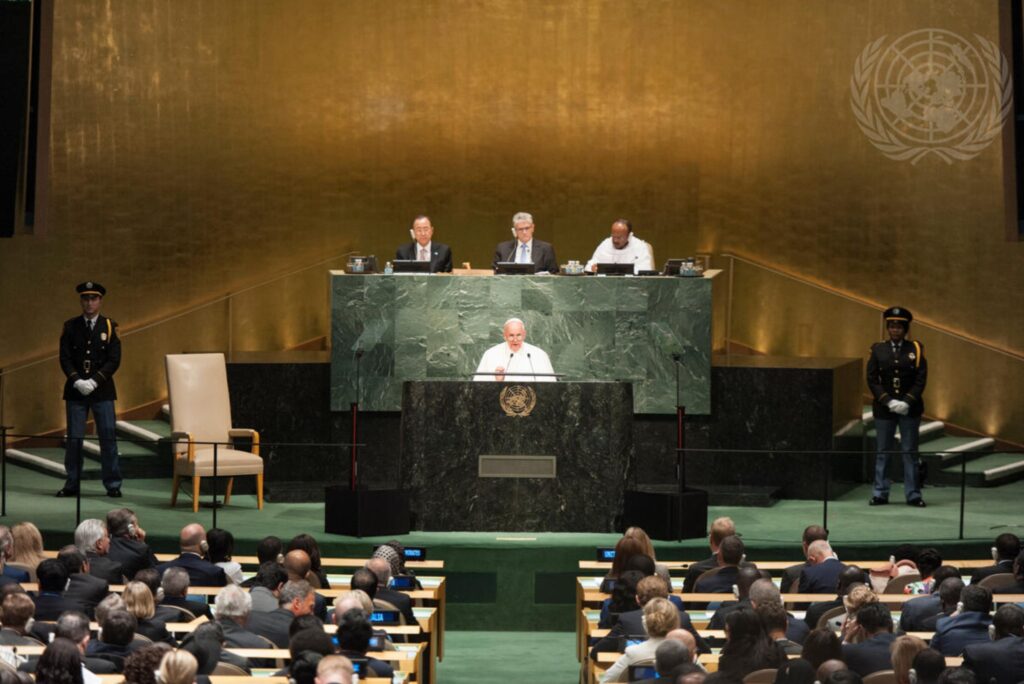
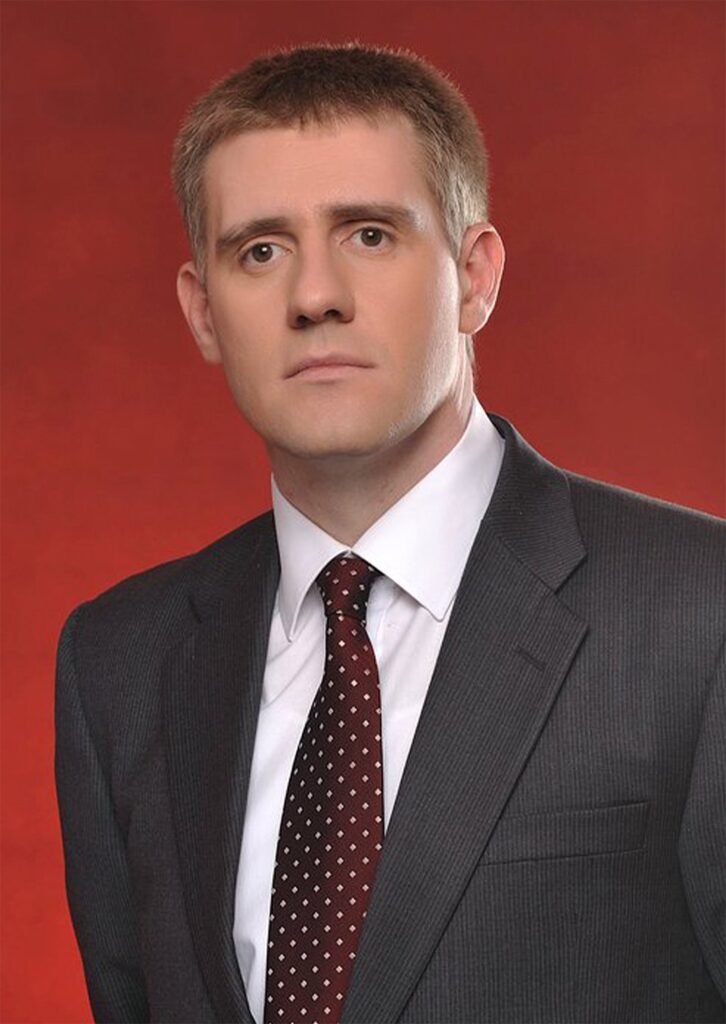
Tracing my memories back to the Rio+20 Summit in 2012 and the UN General Assembly in 2015, when the UN 2030 Agenda was adopted, I recall having mixed feelings about the discussion on the post-Millennium Development Goals framework. The original framework had been adopted in 2000 through a more creative and improvised process. Having been trained largely within the Austrian school of economic thought, I initially perceived the sustainable development agenda as fundamentally interventionist—placing governments, rather than markets, at the center of redistribution and resource allocation. Heading the Montenegrin delegation as Prime Minister at the time, we nonetheless supported the global consensus. It was only later that I came to fully appreciate this effort, albeit from a different perspective that does not entirely follow the mainstream line.
The society we shape through human interaction evolves through countless decisions made in pursuit of our individual plans. Together, these decisions generate outcomes that disperse new knowledge, setting us on a course of revisiting past decisions and making new ones. As innovation disrupts any tendency toward equilibrium, it also points to the inevitable failure of excessive regulation—which produces unintended consequences. Yet the more we discuss, learn, and exchange knowledge and innovation, the more our concerns expand beyond individual well-being or that of our immediate communities to include the natural environment itself. We inevitably come to realize that these systems are interconnected and that, in the long run, we must adhere to the principles of sustainable development. In the same vein, it is important to eliminate as many barriers as possible to the dissemination of knowledge.
Human civilization prospers to the extent that it can tolerate and absorb diversity, free trade, and innovation. The irony is that some ancient civilizations appear to have understood this long ago. Yet studying the trajectory of the SDGs over the past 10 years raises questions about whether modern humankind has truly internalized this understanding.
From the MDGs to the SDGs
When world leaders gathered at the United Nations in September 2015 to adopt the Sustainable Development Goals (SDGs), they were building on the legacy of the Millennium Development Goals (MDGs)—a 15‑year experiment that had delivered some of the most significant improvements in human well-being in modern history. The MDGs helped cut extreme poverty by more than half, drove major reductions in child and maternal mortality, expanded access to primary education, and accelerated the fight against HIV/AIDS, malaria, and tuberculosis. They were not perfect, but they were transformative, at least in the way we thought about development—reshaping the broader landscape in ways that continue to reverberate today.
However, the devil is always in the details, as the same statistics can be interpreted in different ways. The global success of the MDGs was profoundly uneven. A substantial share of the headline achievements—especially in poverty reduction—came from China’s extraordinary domestic transformation. Between 1990 and 2015, China lifted hundreds of millions of people out of extreme poverty, reshaping global statistics so significantly that it became impossible to speak of “global progress” without acknowledging China’s gravitational pull. This, however, does not diminish the achievements of other regions; it simply reveals a structural truth that continues to shape the SDGs: global development metrics are driven above all by the trajectories of large-population countries such as India, Indonesia, Nigeria, Pakistan, and Bangladesh. Success or failure in those countries will play a similarly decisive role in determining whether the UN 2030 Agenda succeeds or fails.
The MDGs mobilized unprecedented levels of aid, philanthropy, and civil society engagement. Major contributors included the United Kingdom, the Nordic countries, Japan, and the United States—as in the case of President’s Emergency Plan for AIDS Relief (PEPFAR)—as well as emerging philanthropic actors such as the Bill & Melinda Gates Foundation. The MDGs demonstrated that clear, measurable goals could galvanize political will and deliver results at scale. But they were narrow. They focused primarily on poor and developing countries and largely ignored structural or cross‑cutting issues such as climate change, inequality, governance, and environmental degradation. They did not address the needs of middle‑income countries or the systemic forces shaping global development.
The Sustainable Development Goals were designed to correct these omissions. Adopted by all UN Member States, the 17 goals—later followed by 169 targets and more than 200 indicators—represented a universal, integrated vision for transforming societies and economies while safeguarding the planet. They were ambitious by design, perhaps too ambitious, but that ambition was likely a fair outcome of a process open to all UN Member States. They were formulated under the assumption that the world would continue to cooperate, integrate, and align around shared priorities.
SDG Scoreboard and Changing Narrative
The SDG Report 2025 delivers a stark message: the world is not on track. The optimism that surrounded the SDGs in their early years has given way to a more sobering assessment of global progress. Looking back to 2015, the atmosphere was generally positive, although few would probably have claimed that the UN 2030 Agenda would be fully achieved by 2030. But the overwhelming sense was that a comprehensive framework would at least be in place—something on which further progress could be built. The 2025 report’s language is unusually blunt, describing a “global development emergency” and warning that many of the gains achieved since 2015 are at risk of stalling or reversing. The SDGs were conceived as a roadmap; they now read more like a rescue plan.
The evolution of the SDG narrative over the past decade reflects this shift. The early reports radiated confidence. The MDGs had delivered, and the SDGs seemed within reach. By 2018, however, progress was uneven. Inequality widened, climate indicators worsened, and the 2019 report began to emphasize the problem of falling off track. The pandemic years of 2020 and 2021 marked a turning point. COVID-19 triggered the first rise in global poverty in decades, caused massive learning losses, and severely disrupted health systems. The tone of the reports turned urgent, even bleak.
By 2022, the SDG narrative had become structural. The problem was no longer merely slow progress; it was the architecture of global development itself—financing, governance, resilience. The 2023 and 2024 reports were shaped by what scholars now call the “polycrisis”: climate shocks, inflation, debt distress, and geopolitical fragmentation interacting in destabilizing ways. The 2025 report marks a rhetorical break. It no longer speaks of “accelerating progress”; it speaks of rescue.
Despite these headwinds, the SDG Report 2025 highlights some extraordinary achievements. Global health has seen remarkable progress: HIV infections have fallen, malaria cases have been averted, and dozens of countries have eliminated neglected tropical diseases. Digital access has expanded dramatically, with internet usage rising from 40 to 68 percent since 2015. Renewable energy is poised to surpass coal as the world’s largest source of electricity. Education enrollment has grown, even if learning outcomes remain fragile.
These gains were driven by sustained and targeted financing. Long-term support for vaccines, diagnostics, and primary health systems enabled progress in disease control. Expanded digital connectivity reflects large-scale investment in broadband and mobile infrastructure. The acceleration of renewable energy has been propelled by capital flows into solar, wind, and grid modernization—supported by falling costs and policy incentives. Rising school enrollment has similarly been underpinned by investment in education infrastructure, teachers, and social protection mechanisms.
Taken together, these outcomes demonstrate the lasting impact of coordinated public investment and global partnerships. The legacy of the MDGs is unmistakable: the infrastructure built to combat HIV, tuberculosis, and malaria later became the backbone of pandemic response and routine care in many low-income countries. It is precisely for this reason that measurable progress remains visible in SDGs such as 3, 4, and 7—good health and well-being, quality education, and affordable and clean energy.
Yet the areas of regression are equally stark. More than 800 million people remain in extreme poverty. Hunger is rising due to conflict, climate shocks, and high food prices. Climate indicators are worsening at an alarming pace: 2024 was the hottest year on record, and CO₂ levels are the highest in 2 million years. Debt distress has become a structural barrier to development, with many countries spending more on debt service than on health or education. In essence, the world is further away from ending hunger today than it was in 2015, and climate change has become the single greatest threat multiplier across all SDGs.
The 2025 SDG Index reveals a world of extremes. Nordic countries continue to dominate due to strong welfare systems, low inequality, and ambitious climate policies. Benin, Nepal, and Uzbekistan demonstrate that political commitment and targeted reforms can deliver rapid progress even with limited resources. Conflict-affected states like South Sudan, the Central African Republic, Somalia, Chad, and Yemen remain at the bottom, underscoring that conflict is the single most powerful predictor of SDG stagnation.
China, Southeast Asia, and India—three regions that will shape global development trajectories—present a complex picture of progress and paradox. China leads the world in renewable deployment, digital infrastructure, and poverty reduction, yet it is also the largest emitter of CO₂ and faces severe air quality challenges. Southeast Asia is one of the world’s fastest-growing digital regions, with a young population and an expanding middle class. Yet it is also among the most climate-vulnerable regions, facing rising sea levels, extreme heat, and biodiversity loss. India is a giant in transition. Digital inclusion is rising rapidly, renewable energy capacity is expanding, and access to education continues to improve. Yet air pollution remains severe, and malnutrition persists. Urbanization is accelerating, creating both opportunities and pressures on infrastructure.
Elusive Development Finance
Underlying all of this is a persistent failure: development financing. Over the past decade, governments and institutions have made ambitious commitments to climate finance, adaptation funds, pandemic preparedness, debt relief, and concessional lending. Yet delivery has consistently fallen short. Many pledges remain unfulfilled or delayed—creating a credibility gap between rhetoric and reality. Public budgets are strained by rising debt service, aging populations, geopolitical spending, and climate disasters, leaving little fiscal space for development. At the same time, meaningful progress on the SDGs requires trillions in annual investment, far beyond what public finance alone can provide. This remains true even if current cost assessments are probably inflated due to overlapping goals, overestimated energy demand, and underestimated technological advances.
Though they were not the only countries to do so, it is worth noting that in just two consecutive months—June and July 2025—NATO Member States, still among the richest and most developed countries, decided to increase defense expenditures significantly. This placed their public finances under additional strain. At the same time, during the follow-up to the 2015 Addis Ababa conference in Seville, parties—absent the usual participation of the United States—made new pledges for financing for development in spite of the constraints already on public finances. Rising debt burdens, fiscal consolidation pressures, and competing political priorities limit the ability of governments to scale long-term investment and even lead to cuts in official development assistance.
Investors face high perceived risk, currency volatility, regulatory uncertainty, weak project pipelines, and limited guarantees. Without stronger regulatory frameworks, reduced political risk, improved project preparation, and more effective blended finance, the SDG financing gap will continue to widen. Official Development Assistance (ODA) and multilateral finance remain essential but insufficient in scale and are increasingly stretched across humanitarian crises, climate shocks, and geopolitical contingencies. While private finance is frequently presented as the solution, it has proven reluctant to engage at the scale required without credible risk-sharing mechanisms, guarantees, and longer investment horizons.
A central constraint lies in how risk is priced and perceived. Many countries with significant SDG investment needs face elevated borrowing costs driven by sovereign credit ratings, currency volatility, and debt sustainability concerns—often reflecting market conventions rather than underlying development fundamentals. As a result, capital is abundant globally but poorly allocated, flowing toward lower-risk, short-duration assets rather than toward SDG-relevant sectors that require patient capital and policy stability.
This misalignment is reinforced by the structure of global financial markets themselves. High-level assessments of climate finance emphasize that capital markets remain overwhelmingly oriented toward short-term returns, liquidity, and risk avoidance—despite the long-term nature of climate and development investments. Even where financial resources are abundant, incentives favor rapid turnover and low-risk assets rather than patient capital for infrastructure, energy systems, and resilience. Without reforms to risk-sharing mechanisms, public guarantees, and investment time horizons, climate and development objectives remain structurally disadvantaged within prevailing financial architectures. Hence, limiting the scale and durability of SDG-aligned investment.
Crucially, this financing gap does not stem from analytical uncertainty. The economic and social returns on investment in human capital, basic infrastructure, and climate resilience are well documented. The problem is not a lack of identified needs or viable investment opportunities, but the failure of the global financial system to channel capital toward long-term development objectives. In this sense, elusive development finance is less a technical problem than a political-economic one: without reforms that extend investment horizons and recalibrate risk, the SDGs remain well-defined aspirations rather than consistently bankable pathways.
A Decade of Disruption
The SDGs were born in a world that no longer exists. It may, in fact, have ceased to exist even before 2015. The aftermath of the 2008 to 2009 global economic and financial crisis left many people disillusioned and full of anger, helping fuel the surge of political populism. One may even argue that a new political nativist conservatism has risen as a reaction to the seemingly functioning international order, gradually eroding the legitimacy of traditional institutions, including the UN system.
The global landscape of 2025 is defined by three forces that have reshaped the terrain beneath the goals: geopolitical fragmentation, technological acceleration, and a disruptive energy transition that brings both opportunities and risks. These forces have not only driven a paradigm shift; they have altered the very conditions under which global development is pursued.
The liberal post-Cold War assumption of a cooperative global economy has evaporated. Recent U.S. administrations have taken sharply different approaches to multilateralism, including decisions to withdraw from or reconsider participation in certain UN treaties and international agreements. These shifts have created uncertainty within the multilateral system and forced other countries to adjust their diplomatic and economic strategies. Tariff realignments on steel, aluminum, semiconductors, and green technologies have reshaped global supply chains and accelerated nearshoring, friendshoring, and the formation of regional trade blocs. This includes, most recently, the long-delayed agreement between the European Union and the Mercosur bloc.
Even the Arctic has become a theater of strategic competition, and at the time of writing, the geopolitical rift over Greenland underscores the idea that the unimaginable only a decade ago, now seems to have become routine. The search for minerals and rare earths has become a tangible example of the new political climate, and the new Board of Peace initiative potentially challenges the UN system itself. The SDGs were built on the premise of global cooperation; the world of 2025 is far more fragmented.
This fragmentation is not merely geopolitical, but also institutional and fiscal. Multilateral coordination has weakened at the very moment when collective action is most needed, as states prioritize national security, industrial policy, and domestic resilience over shared global commitments. Trade is increasingly securitized, development finance politicized, and climate cooperation filtered through strategic competition rather than common purpose. In such an environment, the assumptions underpinning the SDGs—voluntary alignment, peer pressure, and converging incentives—are increasingly strained. What was conceived as a cooperative framework for managing interdependence now operates in a system defined by selective engagement, competing priorities, and fragmented governance—limiting the capacity of the SDGs to mobilize action at scale.
At the same time, the 2020s have been defined by a technological surge that is transforming economies, labor markets, and geopolitics. Artificial intelligence (AI) has moved from experimental to foundational, beginning to underpin logistics, healthcare diagnostics, financial systems, public administration, and military planning. The rapid adoption of generative AI has raised new concerns about data governance, algorithmic bias, labor displacement, intellectual property, and global regulatory standards.
We may still have some time before the full impact of these changes is felt, but, much like AI, humanoid robots—once confined to research labs—are likely to move rapidly into manufacturing, eldercare, logistics, and service industries. Advances in dexterity, perception, and autonomy have made them viable in environments previously accessible only to humans. Not to mention the space economy, which has almost doubled in size over the past decade, reaching nearly $600 billion and becoming a new arena of both competition and cooperation.
Control over rare earth elements and semiconductor manufacturing has become one of the defining strategic issues of the decade. Rare earths are essential for electric vehicles, wind turbines, smartphones, and defense systems, while the semiconductor supply chain remains highly concentrated, with key nodes in East Asia. Export controls, investment restrictions, and industrial subsidies have become tools of strategic competition. The struggle for technological dominance is reshaping global trade patterns and could become a source of future conflict. It would not be the first time that major conflicts centered on the search for resources. Working out a global development agenda is precisely the way to prevent us from heading back to a time we once thought long gone.
The energy transition adds another layer of disruption. Renewables now account for the majority of new power capacity added worldwide. Solar and wind have become the cheapest sources of electricity in most regions, and battery storage costs have fallen dramatically. China has become the gravitational center of the global energy transition, leading in some important, though not all, aspects related to SDG 7. It manufactures over 80 percent of the world’s solar panels, produces the majority of global lithium-ion batteries, accounts for most of the world’s electric vehicles, and supplies a dominant share of wind turbine components.
China’s domestic deployment is equally significant: it adds more renewable capacity annually than the rest of the world combined. One could argue that this is more a consequence of how China perceives the issue of national security than of any exclusive focus on the UN 2030 Agenda. But the transition has also created new tensions. Oil-producing states face uncertain futures. Countries rich in critical minerals—including the Democratic Republic of the Congo, Chile, and Indonesia—have gained new leverage. Competition over supply chains has intensified, especially among the United States, China, and the European Union. The energy transition is no longer just about climate; it is about industrial strategy, national security, and global influence.
The Post‑2030 Horizon
The SDGs formally expire in 2030, confronting the international community with a fundamental question: what comes next? Despite their complexity, resource constraints, and sometimes internally conflicting objectives, some form of compass agenda will remain a valuable strategic reference point. However, the trajectory beyond 2030 will inevitably depend on political will, geopolitical dynamics, technological disruption, and—above all—the global community’s willingness to cooperate. This essay does not attempt to exhaustively catalogue all possible future scenarios, nor does it seek to define the contours of a post-2030 global development agenda.
The most pessimistic scenario is one in which the world fails to agree on a successor to the SDGs, leaving development increasingly bilateral, regional, market-driven, and crisis-driven. This scenario reflects a world in which geopolitical competition overwhelms global cooperation, multilateral institutions lose influence, and the poorest countries are left most exposed to climate shocks, debt crises, and technological divides. The fragmentation of the international system, the rise of great-power rivalry, and the erosion of trust in multilateral institutions all point in this direction.
In this scenario, the SDGs may even formally remain in place but gradually lose practical relevance as geopolitical competition, fiscal pressures, and declining multilateral cooperation undermine collective action. Projections suggest that under current policy pathways, progress toward several core goals will fall short, with outcomes diverging sharply across regions. Rather than producing a uniform failure, this trajectory would generate uneven development gains—reinforcing global asymmetries and leaving many countries behind despite the continued existence of the SDG framework.
Another possible future scenario is a return to the simplicity and clarity of the Millennium Development Goals. The MDGs succeeded because they were focused, measurable, time-bound, and politically compelling. They concentrated on a small set of core priorities—poverty, health, education, gender equality, and basic services—providing clarity that helped mobilize donors, governments, and civil society. The MDGs also benefited from strong leadership by major contributors as well as from the catalytic role of philanthropic actors.
A post-2030 agenda could revive this model, narrowing the focus to extreme poverty, foundational health, universal education, basic infrastructure, and climate resilience at the community level. Such an approach would potentially appeal to donors seeking measurable, high-impact interventions and to governments wary of sprawling multidimensional frameworks. However, this would also represent a major step back. In such a setting, progress would persist where political commitment, institutional capacity, and financing align, but global coherence would weaken further.
While this approach may preserve momentum in specific regions or sectors, it could reduce the SDGs to a partial or regional agenda rather than a genuinely global framework. As noted above, the SDGs were not designed exclusively for low-income countries but as a universal framework, and such a shift would risk weakening their role as a shared reference point for global development.
A third pathway could be to extend the SDGs with updated targets and stronger accountability. This scenario assumes continued belief in universal goals and sufficient political willingness to negotiate new targets. It would require improved monitoring and financing mechanisms, as well as a more realistic approach to implementation. The SDGs could be refined to reflect lessons learned: fewer targets, clearer indicators, stronger financing frameworks, and better integration of climate, digital, and demographic realities. This scenario preserves the SDG-style framework while modernizing its architecture. Such an extension, however, would require a level of political coordination and institutional renewal that may be difficult to sustain in the current international environment.
While reforming targets and accountability mechanisms could improve coherence, experience suggests that the effectiveness of global goal frameworks ultimately depends on how they are translated into national policy choices, fiscal commitments, and implementation capacity. Projections indicate that development outcomes are shaped less by the formal existence of global goals than by domestic growth trajectories, institutional strength, and policy prioritization—raising questions about whether a revised SDG framework alone could overcome existing delivery gaps. Analyses emphasize that the original SDGs were built on implicit assumptions about cooperation, incentives, and state capacity that no longer reflect today’s global environment.
It is also argued that without a clearer theory of change linking global ambition to national action, efforts to extend or revise the SDGs risk reproducing familiar patterns in which improved design and reporting coexist with persistent shortfalls in execution. While reform may enhance the framework’s legitimacy and analytical clarity, it cannot substitute for the political, financial, and institutional conditions required for sustained implementation. Moreover, assessments such as those made by Cameron Allen et al. in their 2026 Science article suggest that such approaches may underestimate the political and institutional constraints shaping the post-2030 environment—including growing geopolitical fragmentation and uneven state capacity which continue to limit the prospects for renewed universal ambition.
The final, fourth scenario envisions neither the abandonment nor the formal renewal of the SDGs, but their gradual displacement by a reorganized form of globalization anchored in strategic, rules-based regional blocs. In this scenario, development, climate, and sustainability objectives are pursued less through universal goal-setting and more through large trade and investment architectures that embed standards, resilience, and policy coordination into economic integration.
This reflects a broader shift toward what has been described—by Henry Farrell and Abraham L. Newman in their 2023 book Underground Empire: How America Weaponized the World Economy—as “strategic globalization.” In this environment, interdependence is increasingly shaped by power, security, and vulnerability rather than by efficiency alone. The evolution of the Comprehensive and Progressive Agreement for Trans-Pacific Partnership (CPTPP) illustrates this trajectory. Established amid the fragmentation of the global trade system, the CPTPP has preserved high regulatory standards while expanding membership and deepening commitments.
Its continued relevance—despite rising trade barriers elsewhere—demonstrates how selective but institutionalized openness can persist even as universal multilateralism weakens. Further expansion of the CPTPP, may position it as, described by Francesca Ghiretti in her article “the EU Needs a Plan for the Age of Strategic Globalization,” an advanced development architecture. In this scenario, SDG-related objectives such as decarbonization, labor standards, and sustainable infrastructure are not abandoned but pursued indirectly through trade rules, investment frameworks, and regulatory alignment embedded in strategic economic partnerships. Development thus becomes anchored less in universal targets and more in enforceable economic arrangements capable of mobilizing capital and shaping incentives. While this approach risks uneven inclusion and weaker universality, it reflects a pragmatic response to a fragmented global system in which large-scale cooperation increasingly occurs through regional and plurilateral institutions rather than through global consensus.
Taken together, these scenarios suggest that the future of global development cooperation may hinge less on the survival of the SDGs as a framework than on where and how collective action is institutionally anchored. In both cases, it is important to note that the design of any development or transformative agenda is grounded in science-based diplomacy—which, given prevailing narratives in some quarters, is itself increasingly open to debate.
Everything considered, either the third, or the less desirable but still positive fourth scenario, would need to aim toward a new global development framework shaped by the forces that define the twenty-first century. Such a framework would reflect a world in which technology, climate, and geopolitics are inseparable from development. It would place climate adaptation and resilience at its core, alongside AI governance and digital rights, planetary boundaries, demographic transitions, global health security, space governance, and the stability of critical minerals and supply chains. This would be a framework for a world in which the boundaries between development, security, and technology have blurred. It would require unprecedented levels of cooperation and imagination.
While innovative, such an agenda could also build on existing development measurement frameworks. The Human Development Index (HDI), for example, measures progress in life expectancy, literacy and functional literacy, and issues related to standards of living. Such a framework may, in effect, be a useful starting point. Classic macroeconomic indicators have long suffered from narrowness. Goals related to equal access to affordable health care, quality education, jobs, and infrastructure, as well as technological solutions and the protection of air quality, land, and water, could serve as the basis for a new approach.
Regional solutions may be better addressed directly, while cross-cutting ones would serve more as a compass. In this context, any future development agenda should refrain from the excessive proliferation of targets and indicators and must be the product of a broad coalition—not only governments, but also cities, corporations, and civil society organizations—reflecting the reality that global development requires multilevel governance to achieve legitimacy. Implementation and monitoring should be based on resource-sharing platforms, enabling successful initiatives to be scaled across contexts.
The Courage to Imagine the Next Chapter
The SDG Report 2025 is not a eulogy. It is a warning and a reminder of what humanity can achieve when it chooses to act collectively.
After the age of globalization, the global economy may be returning to an age of spheres of influence, within which trade may be more or less free. In such a setting, trajectories characterized by greater openness would be more favorable. As Johan Norberg reminds us in Peak Human: What We Can Learn From History’s Greatest Civilizations, every time a civilization embraced innovation, inclusiveness, and free trade, it prospered. On the other hand, every time nativist and conservative tendencies—frequently paired with the strong influence of dogmatic approaches to religion—prevailed in the name of fortifying society, civilizations failed. These patterns are evident across multiple historical sequences.
Given the current context, these scenarios should be understood as illustrative rather than exhaustive, as future development agendas will likely blend elements of several pathways or take the form of more regional, so-called “coalitions of the willing.” While the period of globalization coincided with the MDGs and SDGs, today’s more fractured world of contested multilateralism may search for a development agenda that is horizontally comprehensive but vertically fractured. This trajectory has already been anticipated in the evolution of contemporary trade agreements, which may constitute one possible pathway for the future given current global conditions.
In this context, efforts to modernize the SDG framework without fundamentally addressing issues of prioritization, sequencing, and political feasibility may yield improved design, but only limited gains in execution. Recent work on development finance and country platforms suggests that any post-2030 reform of the SDGs would need to go beyond target revision and place greater emphasis on delivery mechanisms. Analyses highlight the importance of country-led platforms that align international support with national priorities while systematically integrating subnational and urban actors—where a large share of implementation capacity and climate exposure is concentrated.
Without stronger multilevel coordination, project preparation capacity, and financing instruments tailored to subnational contexts, even a streamlined SDG framework risks remaining aspirational rather than operational. In this sense, reforming the SDGs would require not only fewer and clearer goals, but also institutional arrangements capable of translating global ambition into investable pipelines and measurable outcomes.
In many ways, the world of the mid-2020s resembles the world historian Christopher Clark describes in Revolutionary Spring: Europe Aflame and the Fight for a New World, 1848-1849—his sweeping history of the 1848 revolutions. Clark portrays a continent where “multiple crises converged, each amplifying the others,” creating a moment when the old order could no longer hold and the new had not yet taken shape. That sense of simultaneous upheaval and possibility feels uncannily familiar today. Like 1848, our era is marked by technological acceleration, geopolitical fragmentation, economic dislocation, social unrest, and profound uncertainty about the future.
Clark writes that the revolutions of 1848 were driven by “a sudden opening of the imaginable,” a moment when people realized that the world could be different and that they had a role in shaping it. That insight resonates deeply with the SDG project. The goals were never just a policy framework; they were an attempt to widen the horizon of what humanity believed possible. The question now is whether the world will seize that opening or retreat.
The world already has the tools, technology, and knowledge to move forward. The challenge lies in resisting the temptation to withdraw, to construct barriers, and to close off cooperation. What it needs now is the courage to imagine—and to actively build—the next chapter.


