

The G-7 Embraces Decarbonization

NEW YORK – This week’s G-7 meeting at Schloss Elmau in the Bavarian Alps marked a major breakthrough in climate-change policy. The seven largest high-income economies (the United States, Japan, Germany, the United Kingdom, France, Italy, and Canada) made the revolutionary decision to decarbonize the…
How the West Can Still Lead the World

Julianne Smith Listen to any European or American leader talk about the transatlantic relationship these days and you will hear a handful of common refrains. Major policy addresses of this kind often start with the recognition that the world has changed. Europe and the United States face unprecedent…
Insuring for Disaster
NATURAL disasters like the devastating earthquake in Nepal constitute a highly uncertain but quantifiable risk. No one can say for sure when a major earthquake will strike. But the fault lines are known. We need a new global system of disaster insurance, akin to how homeowners guard against calamity…
The Mediterranean: death sea or common sea?
As any Mediterranean citizen, I have followed closely with horror and dread the recent events occurred in our “Mare Nostrum” sea. Unquestionably, we all agree that we cannot carry on as before and wait for the weather to improve and the migratory storm to pass and stop leaving on our coasts thousand…
Where all Silk Roads lead
NOT content with both purifying the Chinese Communist Party which he heads and with reforming his country, China’s president, Xi Jinping, also wants to reshape the economic and political order in Asia. With the flair that Chinese leaders share for pithy but rather bewildering encapsulations, his vis…
Tunisia’s Hour of Need
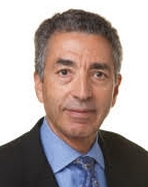
Mustapha Tlili In the terrorist attack last week that took the lives of 21 people, most foreign tourists, at the National Bardo Museum, Tunisia itself was under attack. And it will remain so because it is a secular democracy in an Arab world that is not democratic and, with the exception of Lebanon’…
Key Elements of a Successful Addis Ababa Accord on Financing for Sustainable Development
This Working Paper from the SDSN Leadership Council outlines key elements for a successful outcome document of the 2015 Financing for Development (FfD) Conference in Addis Ababa, Ethiopia. It builds on the 2002 Monterrey Consensus, the 2008 Doha Declaration on FfD, and the preparations for the post-…
By Separating Nature from Economics, We Have Walked Blindly into Tragedy
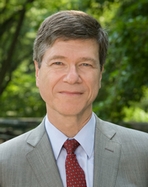
Jeffrey Sachs Recent news brings yet another example of hubris followed by crisis followed by tragedy. The hubris is our ongoing neglect of human-induced climate change, leading to climate disruptions around the world. One of the many climate crises currently under way is the mega-drought in São Pau…
No Hiding From Sustainable Development
One year ago, I was in Brazil to launch the Brazilian chapter of the United Nations Sustainable Development Solutions Network (SDSN), an initiative of UN Secretary-General Ban Ki-moon. The main message I heard that day was that São Paulo was suffering from a mega-drought, but that state and local po…
Everything you always wanted to know about the UN climate talks but were afraid to ask

Fiona Harvey 2015 is shaping up to be a pivotal year with respect to climate change as growing concern about impacts converges with a critical stage in the decades-long process of shaping an international agreement to change our trajectory. To help us all prepare for the potentially game-changing 21…