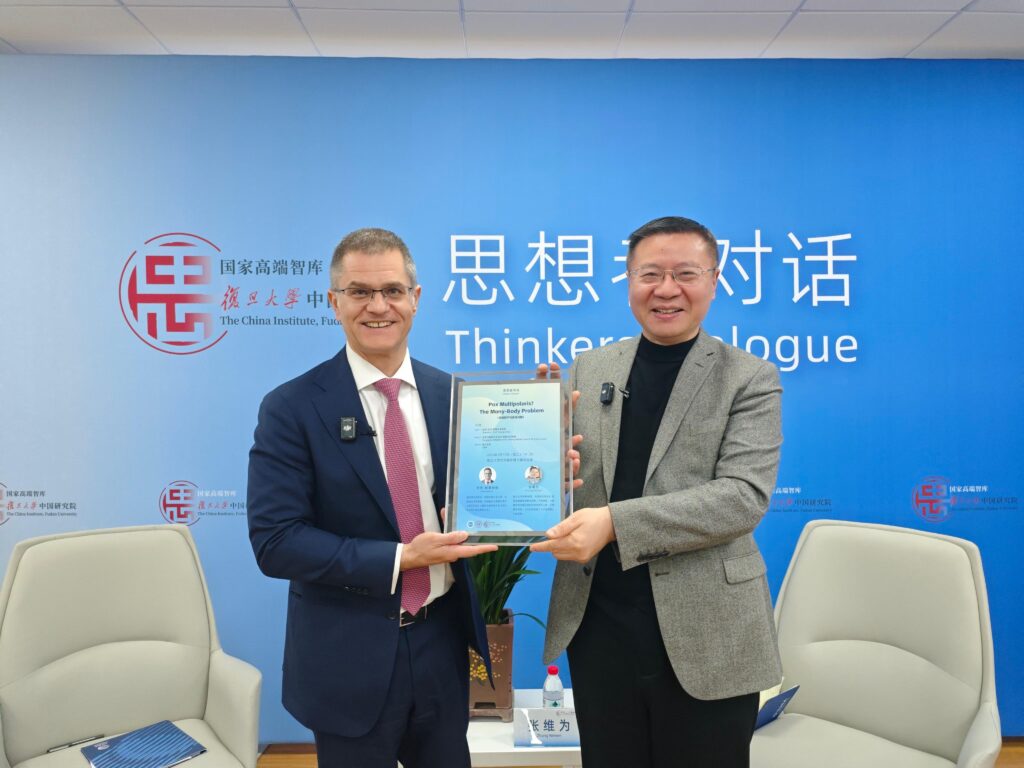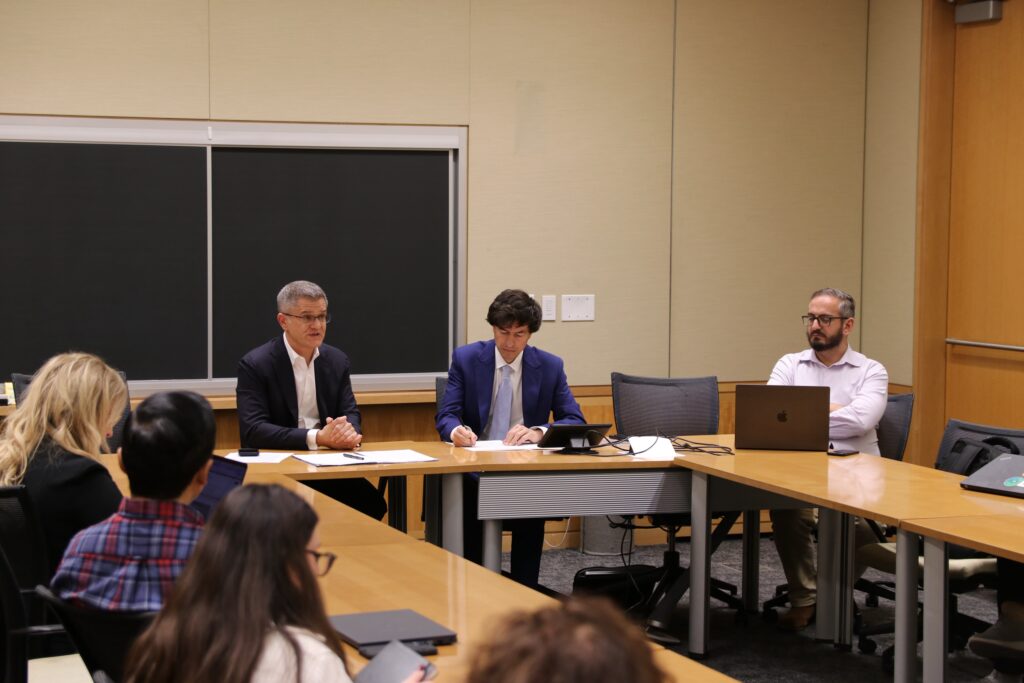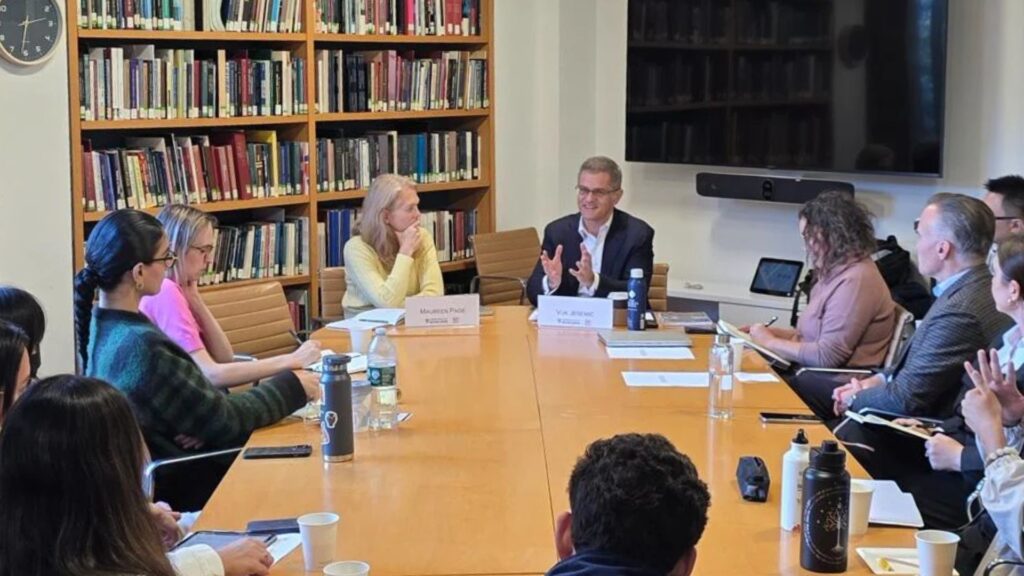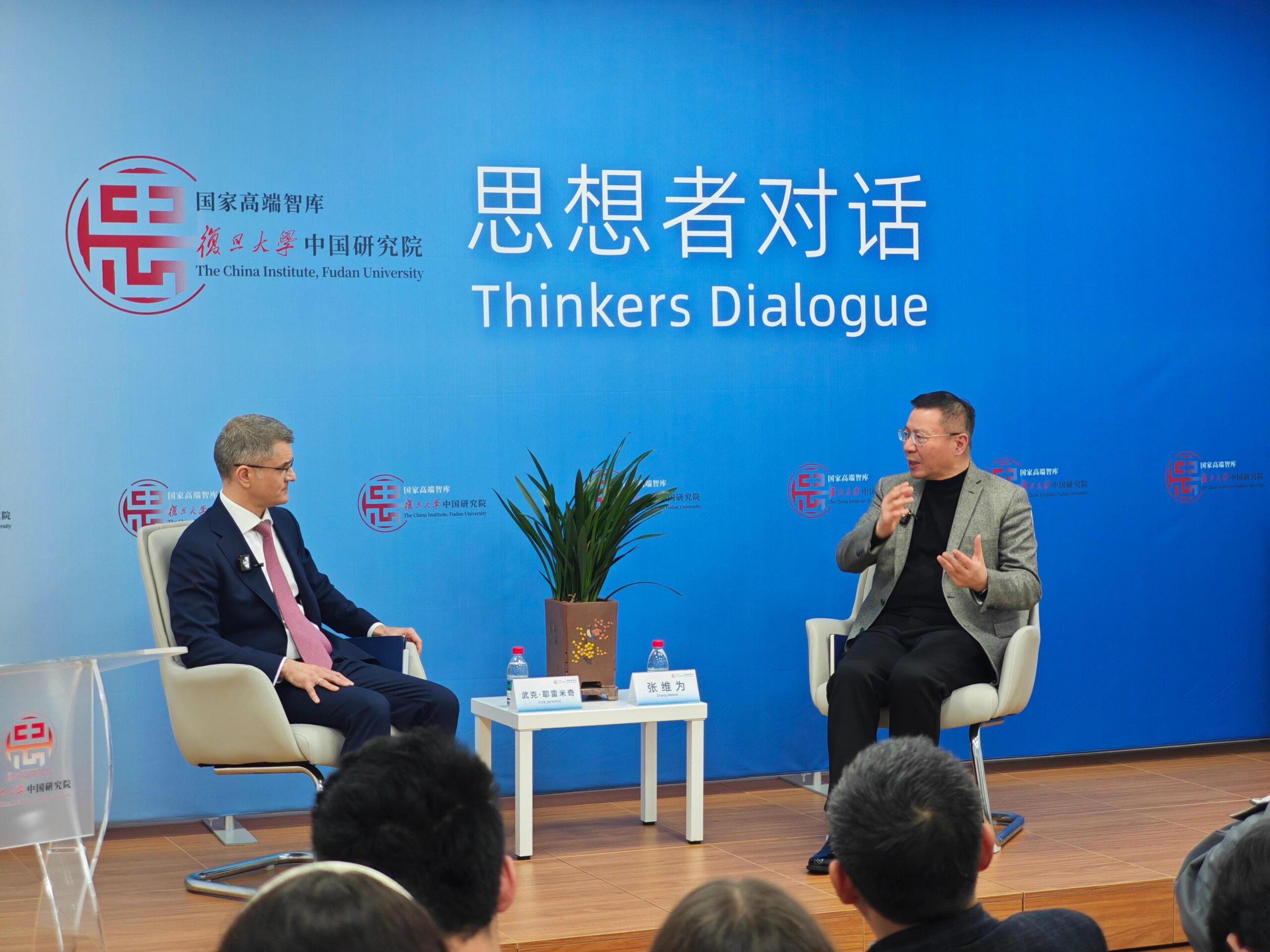
A new Horizons Discussion was held at Fudan University in Shanghai, bringing together Professor Zhang Weiwei, Director of the China Institute at Fudan University, and Vuk Jeremić, President of the Center for International Relations and Sustainable Development (CIRSD) and Editor-in-Chief of Horizons. The event also served as the presentation of the newest issue of Horizons, dedicated to the theme of multipolarity and the future of global order.
In his remarks, Jeremić said that the world is moving away from the unipolar moment that followed the end of the Cold War and toward a far more complex international structure, marked by the rise of several centers of political, economic, and technological power. Referring to the theme of the newly presented issue of Horizons, he stressed that multipolarity is no longer a theoretical proposition, but a reality that is already shaping international affairs.
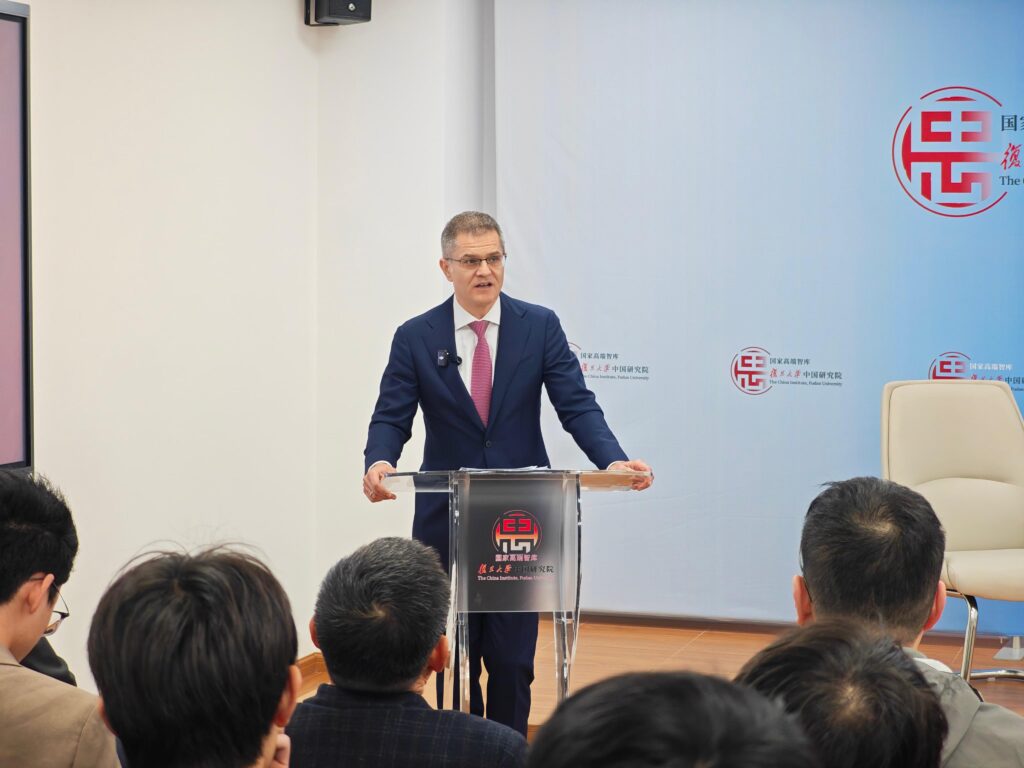
Jeremić argued that the 21st century will not belong exclusively either to the West or to the East, but to a plural global landscape in which multiple governance models, civilizational traditions, and development paths will coexist. He emphasized that the key challenge is not multipolarity itself, but the inability of existing institutions of global governance to adapt to this transformation.
A major part of the discussion focused on the geopolitical implications of ongoing crises, especially in the Middle East, and on the risks that renewed instability could pose to global energy markets, economic security, and wider international order. Jeremić also reflected on the growing strategic role of medium-sized powers, arguing that technological change, energy dependencies, and new forms of asymmetric influence are reshaping the traditional logic of power.
In the exchange that followed, Professor Zhang Weiwei underlined that the current period of international turbulence is also accelerating a broader redistribution of power. He argued that the once-dominant unipolar model is weakening, while non-Western actors and countries of the Global South are gaining greater strategic relevance. Both speakers agreed that the shape of the future international order will depend not only on shifts in material power, but also on the ability of states and institutions to create mechanisms for cooperation, restraint, and shared responsibility.
The discussion also addressed the relationship between energy systems and geopolitical transformation, with particular attention given to renewable energy, development obstacles in the Global South, and the uneven pace of transition across regions. Regional security issues were also discussed, including the Balkans, where Jeremić assessed that despite heightened concerns, the likelihood of major escalation remains low under current circumstances.
The event concluded with a lively audience exchange on the differences between Chinese and Western political traditions, the meaning of multipolarity, and the prospects for building a more balanced and inclusive international order.