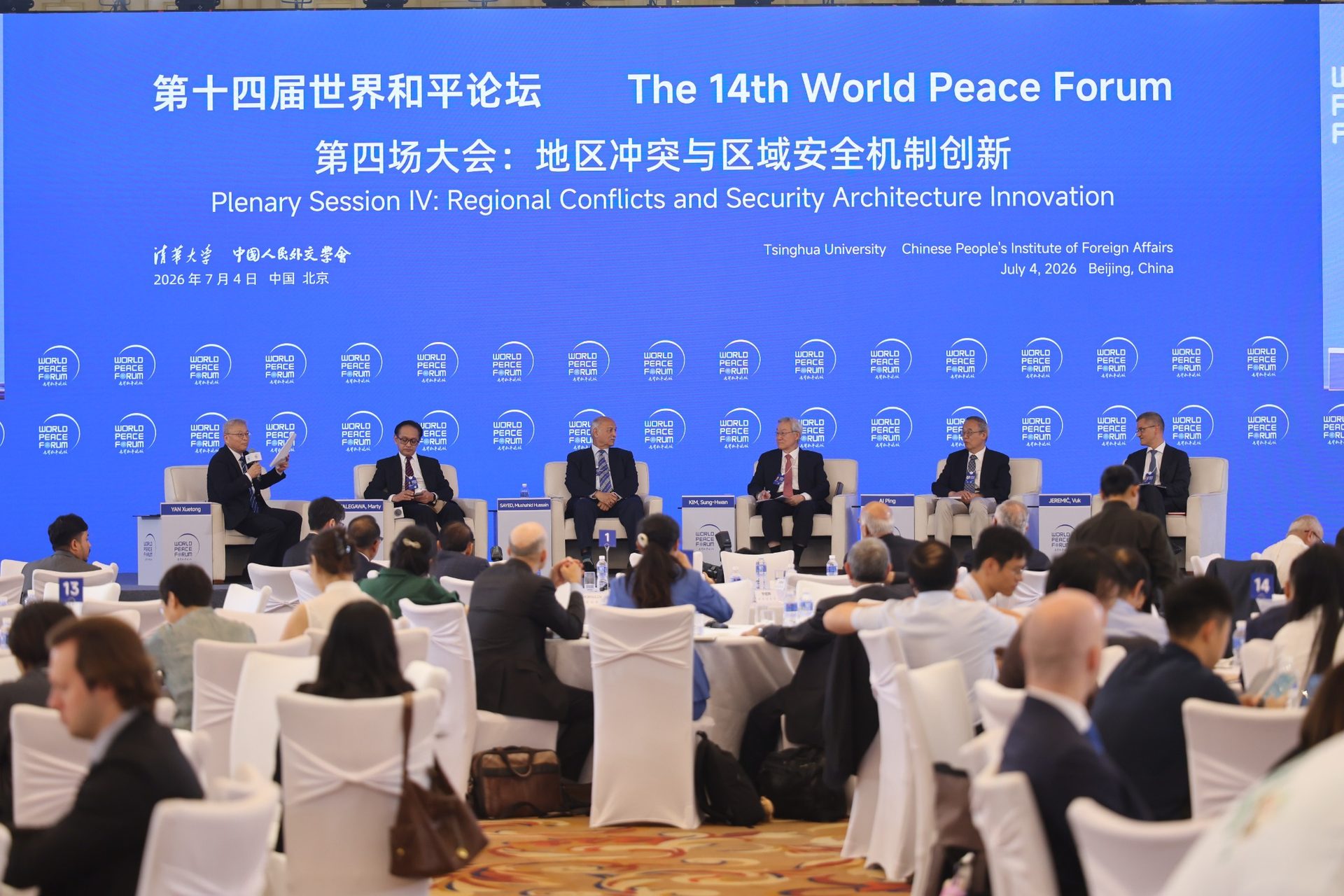
“Serbia will neither win the World Cup nor join the European Union.” With this piece of dark humour, former Serbian Foreign Minister Vuk Jeremić summed up his country’s arduous, 17-year-long journey toward EU membership.
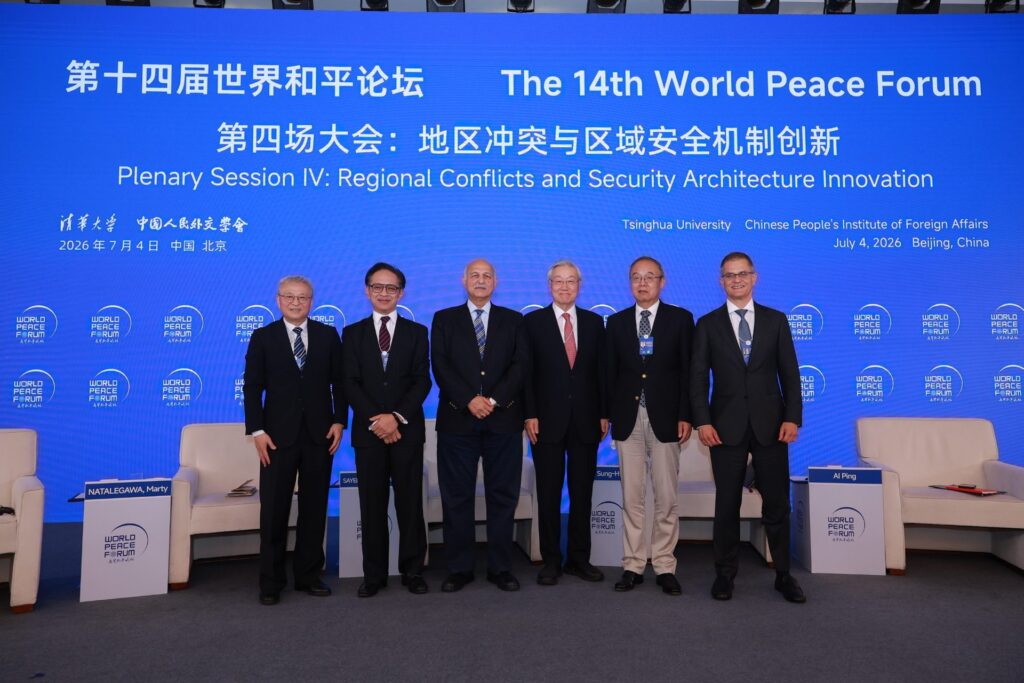
At the World Peace Forum 2026, Jeremić said that Serbia would not be able to join the European Union under the current circumstances and that Belgrade would continue pursuing friendly relations with China, which he described as a long-term strategic choice capable of standing the test of time.
His remarks came in response to pressure exerted at the EU–Western Balkans Summit held in Tivat, Montenegro, in June. German Chancellor Friedrich Merz publicly stated that Serbia had to make a clear choice between Russia, China, and Europe. He added that the path toward EU membership remained open, provided that Belgrade clearly defined its future strategic orientation: “If Serbia chooses Europe, Europe will choose Serbia.”
Jeremić responded with a degree of irony, noting that Merz himself had spoken about deepening German-Chinese cooperation during his visit to China, only to subsequently criticise Serbia for maintaining close relations with Beijing.
“However, this is not such a major issue for Serbia,” Jeremić said, “because the door to membership has effectively been closed for a long time. The European Union does not want to accept new members—at least not members that would have voting rights in the European Council. For every candidate country, full membership remains an empty promise far beyond the foreseeable future.”
He further stressed that the Serbian government would not abandon its strong friendship with China.
“We were the first European country to sign an agreement on jointly building a community with a shared future for mankind. I would be very, very surprised if Belgrade suddenly changed course. I firmly believe that we will continue to strengthen the friendship between Serbia and China—not only for the present, but also for the future. We have taken a decisive step toward building a community with a shared future for mankind. This has never been a short-term measure of convenience, but a long-term and firm strategic choice by the Serbian government.”
Serbia formally applied for EU membership in 2009 and became a candidate country in 2012. Since then, the negotiation process has progressed slowly and has faced numerous obstacles.
Following the outbreak of the Russia-Ukraine conflict, Serbia maintained its traditionally friendly relations with Russia and refused to join Western sanctions against Moscow.
At the same time, cooperation between Serbia and China has continued to intensify. China and Serbia recently signed more than 20 cooperation documents covering politics, trade, technology, education, the judiciary, culture, and other fields.
Jeremić argued that the European Union’s pressure on Serbia to “choose a side” may not be motivated by a genuine intention to admit the country as a member. Enlargement would create a significant financial burden and grant equal voting rights to new members—a price that, in his view, those in power in Brussels are unwilling to pay.